
Introduction
A leaking tap can be more than just an inconvenience; it contributes to water wastage and can potentially increase your water bill. In Nigeria, where water scarcity is a growing concern, addressing simple plumbing issues like a leaky tap is vital for sustainable living. For many, the cost of hiring a professional plumber can seem daunting, leading many to either live with the problem or attempt to fix it without the proper knowledge. This blog post will guide you through the process of fixing a leaking tap at home, ensuring that you can effectively tackle this plumbing issue yourself.
In this comprehensive guide, you will learn everything from the necessary tools and materials to a detailed step-by-step process to repair various types of faucets, whether in your bathroom, kitchen, or garden. By the end of this guide, you will not only feel confident in your DIY skills but also save your hard-earned money and help conserve water in your home.
Leaky taps are not just frustrating; they can lead to significant water loss over time. For example, according to the Nigerian Water Resources Ministry, a single dripping tap can waste up to 15 liters of water a day. Over the course of a year, that’s a staggering 5,475 liters! In an era where clean water is becoming increasingly precious, knowing how to address this plumbing problem is essential.
What You Need
Before you dive into the steps for fixing that leaky tap, you’ll need to ensure you have the right tools and materials at hand. Here’s a complete list:
- Tools:
- Adjustable wrench
- Screwdriver (flat-head and Phillips)
- Plumber’s tape
- Pliers
- Bucket or bowl (to catch water)
- Towel or cloth
- Materials:
- Replacement washers (available for around N500 to N1,000 depending on type)
- Replacement O-rings (usually costs between N300 to N800)
- Faucet grease (costs about N1,500)
- Replacement cartridge (for cartridge faucets – costs between N2,000 and N4,500)
- Sealant (if needed, approximately N1,000)
Ensure that you identify the type of tap you are dealing with as the requirements may vary slightly. The three primary types of taps include compression, cartridge, and ball faucets.
Step-by-Step Guide
Here’s how to fix a leaking tap in your home, broken down into easy-to-follow steps.
Step 1: Identify the Type of Faucet
The first step is to determine what type of faucet you have. This will help you know how to proceed with the repair. There are three common types:
- Compression Faucets: Often found in older models, these have two handles (hot and cold).
- Cartridge Faucets: Typically have one or two handles and operate with a cartridge.
- Ball Faucets: Usually have a single handle and are common in kitchens.
Step 2: Turn Off Water Supply
Before you begin, make sure to turn off the water supply to the tap. This is critical to avoid a major mess. Look for the shut-off valves under the sink and turn them clockwise. If you cannot find the valve, turn off the main water supply for your home. Once that’s done, turn on the tap to empty any remaining water in the pipes.
Step 3: Prepare Your Work Area
Place a bucket or bowl under the tap to catch any water that may leak out during the repairs. This will keep your working area clean and dry. Use a towel to wipe up any water that spills.
Step 4: Disassemble the Faucet
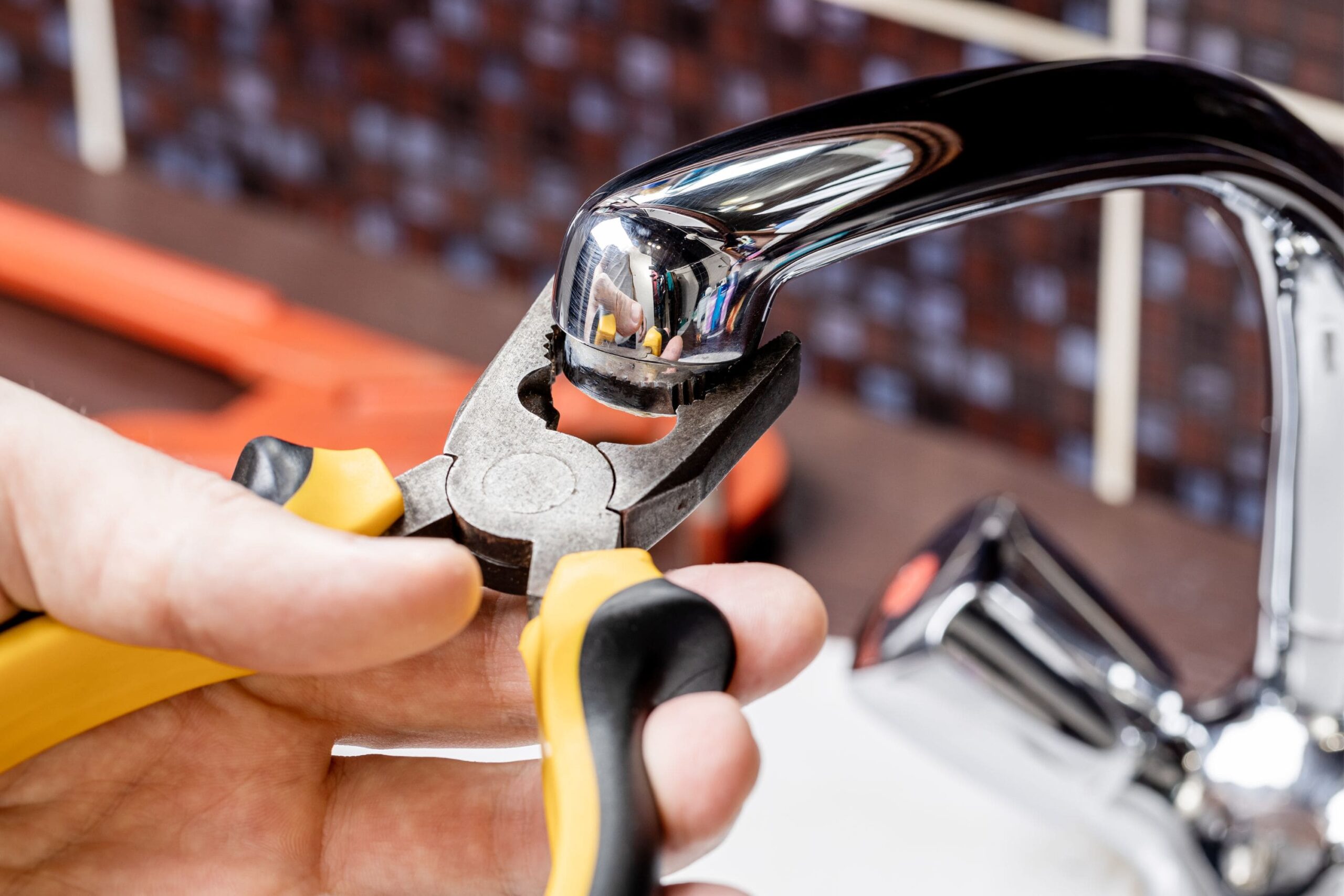
Using a screwdriver, carefully remove the handle of the faucet. For compression faucets, you may need to pry off decorative caps to access screws. Once the screws are out, gently pull the handle off the faucet. Depending on your faucet type, you may also need to remove a retaining nut, which you can loosen with an adjustable wrench.
Step 5: Inspect and Replace Washers or Cartridge
If it’s a compression faucet, you likely need to replace the washer. If it’s a cartridge or ball faucet, inspect the cartridge closely for damage. Take the old washer or cartridge to a local hardware store like Shoprite or Lagos Island Market to find an exact match. Replace it with the new piece.
Step 6: Clean and Grease
Before reassembling, clean the area where the washer or cartridge sits. Apply plumber’s grease on the new washer or cartridge to ensure a tight seal and smooth operation.
Step 7: Reassemble the Faucet
Carefully reattach any parts you removed in reverse order. Make sure everything is tightened properly, but avoid over-tightening, which can damage the threads or crack the ceramic.
Step 8: Turn On Water Supply
With everything in place, turn the water supply back on. Slowly open the faucet to check for leaks. If it still leaks, you may need to make additional adjustments or ensure everything was assembled correctly.
Costs and Fees
Here’s a breakdown of the costs associated with fixing a leaking tap in Nigeria, accounting for 2026 prices:
| Item | Estimated Cost (Naira) |
|---|---|
| Replacement Washers | N500 – N1,000 |
| Replacement O-rings | N300 – N800 |
| Faucet Grease | N1,500 |
| Replacement Cartridge | N2,000 – N4,500 |
| Sealant (If Needed) | N1,000 |
| Miscellaneous Tools | N2,000 – N3,000 (if not already owned) |
In total, if you already have the tools, your overall cost might be between N1,800 to N6,300. If you need to purchase tools, it could range from N3,800 to N9,300.
Comparison
When considering your options, many Nigerians may still opt for hiring a plumber. Here is a simple comparison of DIY versus professional plumbing services in Nigeria:
| Option | Pros | Cons | Estimated Cost |
|---|---|---|---|
| DIY Fix | Cost-effective Empowers Self-sufficiency |
Time-consuming Requires basic knowledge |
N1,800 – N9,300 |
| Professional Plumber | Expertise Quick resolution |
High cost Dependence on others |
N5,000 – N15,000 |
Ultimately, the choice comes down to your comfort level with DIY projects versus your willingness to spend on hiring a professional.
Common Mistakes to Avoid
Here are some prevalent mistakes that Nigerians make when fixing a leaking tap and how to avoid them:
- Ignoring the Type of Faucet: Not knowing whether you have a compression, cartridge, or ball faucet can lead to using the wrong replacement parts. Always check before buying.
- Over-Tightening Parts: While it might be tempting to tighten everything as much as possible, over-tightening can damage components. Follow recommended tightness and use a wrench for extra grip if necessary.
- Neglecting to Turn Off the Water Supply: Forgetting this step can lead to a messy situation. Always turn off the water supply before beginning any repairs.
- Failing to Clean Components: Not properly cleaning the area where you replace the washer or cartridge can lead to continued leaks. Always ensure surfaces are clean and free from debris.
- Not Testing After Repair: Once you’ve fixed the leak, don’t forget to turn on the water and check for leaks again. It’s important to confirm that the repair was successful before claiming victory.
Tips and Insider Knowledge
Here are some insider tips that can help you make your tap repair smoother:
- Purchase Quality Parts: While it may be tempting to buy the cheapest replacement parts, investing a little more in quality pieces can pay off in longevity.
- Check for Discounts: Local hardware stores in Nigeria, like Jumia or Konga, often have promotions. Check for discounts that can help you save.
- Keep Spare Parts: If you have older fixtures, consider keeping spare washers and O-rings at home for quick replacements when unforeseen leaks occur.
- Watch Tutorials: Besides reading guides, watching local DIY tutorials can give you practical insights tailored for the Nigerian environment.
- Seek Local Advice: If in doubt, don’t hesitate to ask fellow Nigerians who have experience with plumbing issues; they can provide practical advice based on their experiences.
Frequently Asked Questions
1. How do I know if my tap is leaking?
A simple way to check is to look for water pooling around the base of the tap. You can also listen for dripping sounds and check your water bill for unusual increases.
2. Can I fix a leaking tap without hiring a plumber?
Yes! With the right tools and understanding of the steps involved, many homeowners can successfully fix a leaking tap on their own.
3. How often should I replace washers?
Regular maintenance is good practice; however, washers typically last about one to three years. If you notice a leak, consider replacing them regardless.
4. What if the leak persists after replacing parts?
If you’ve replaced washers or cartridges and the tap still leaks, additional plumbing issues may be present. It might be time to consult a professional plumber.
5. Is it important to use plumber’s grease?
Yes! Plumber’s grease helps create a tight seal, reducing the chances of leaks and extending the life of your tap components.
Conclusion
Fixing a leaking tap doesn’t have to be a chore. With the right tools, knowledge, and a bit of patience, you can save money and become more self-sufficient. Whether you are trying to cut down on waste or just want to handle minor repairs around the house, this guide should equip you with the confidence to tackle your plumbing needs. Remember, every drop counts—especially in Nigeria where water is a precious resource!
