
Introduction
In Nigeria, a leaking tap might seem like a trivial household issue, but it’s one that can have serious implications. Not only can it drive up your water bills significantly, but the wastage of water also poses an environmental issue that we can all contribute to rectifying. As Nigerians, we must acknowledge that fixing a leaky tap at home is not just about saving money but about being responsible stewards of our resources.
In this comprehensive guide, you will learn the step-by-step process to identify the source of the leak, gather the necessary tools and materials, and successfully fix the leak on your own. This DIY approach not only saves you the cost of hiring a plumber but empowers you with essential home maintenance skills that could come in handy in the future. By following these steps, you will not only resolve the issue at hand but also acquire valuable plumbing know-how that could prove beneficial for other minor repairs around your home.
By the end of this guide, you will know exactly how to fix a leaking tap at home in Nigeria, with detailed explanations, current costs, and tips to make the process seamless.
What You Need
Before embarking on your tap-fixing journey, it’s crucial to have everything prepared. Below is a list of materials, tools, and documents required to efficiently address a leaking tap at home.
Tools Required
- Adjustable Wrench: Essential for loosening and tightening nuts and bolts.
- Screwdriver: A Phillips or flat-head screwdriver will help with removing handles and other fittings.
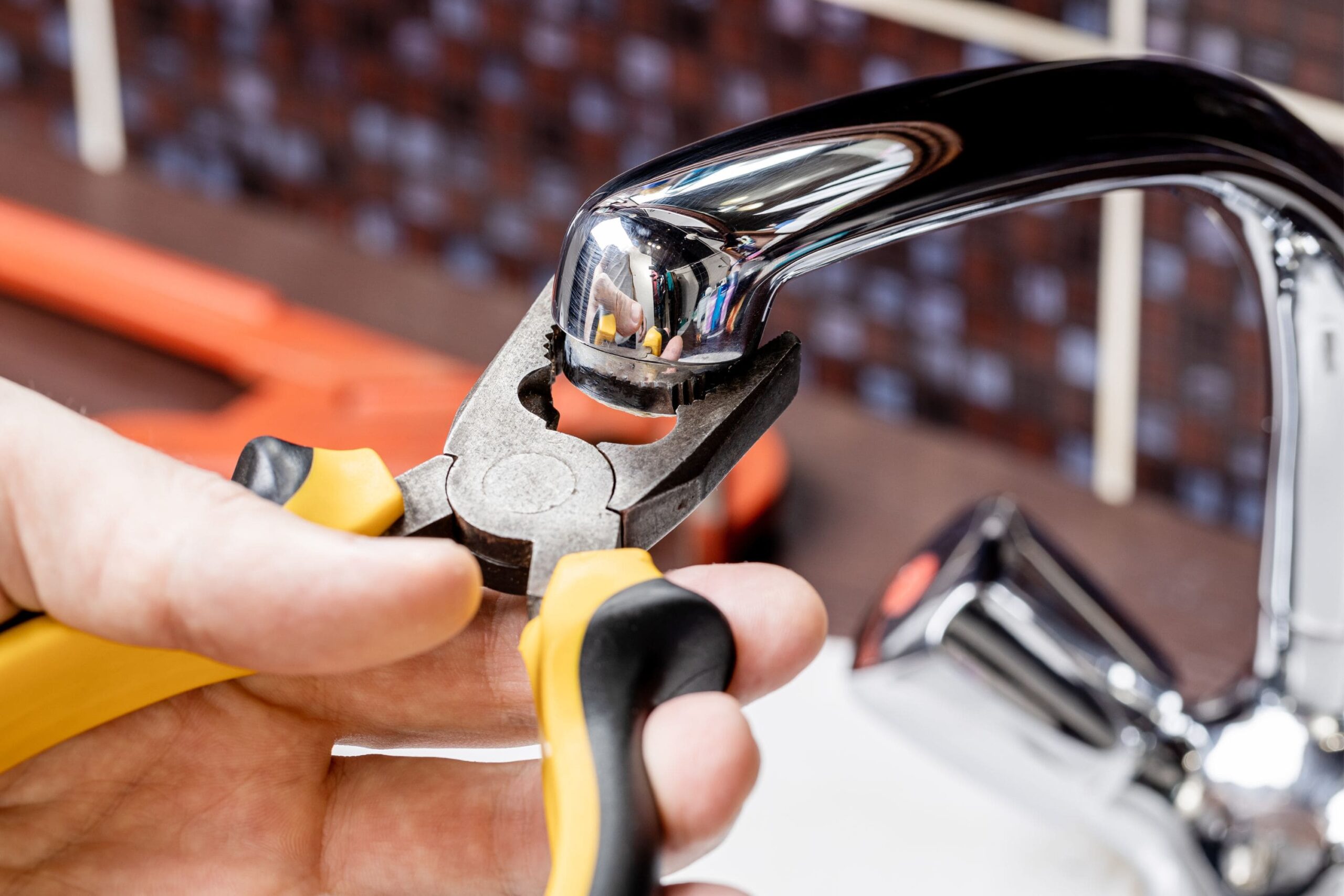
- Pliers: Handy when dealing with stubborn parts.
- Plumber’s tape: This helps in sealing threaded joints.
- Bucket: To catch any water that might spill during the repair.
Materials Required
- Replacement Washers: Available at local hardware stores for approximately N100 to N500 per piece. Ensure you know the size of the washer you need.
- O-rings: Essential for stopping leaks; they cost around N200 to N800 depending on the size and quality.
- Silicone Sealant: Useful for sealing any gaps; priced at about N2,000 to N4,000.
Prerequisites
- Basic understanding of how taps work and an awareness of plumbing concepts.
- A willingness to get your hands dirty and follow steps carefully.
- Access to a local plumbing supply store for any necessary purchase.
Step-by-Step Guide
Now that you’re equipped with the necessary tools and materials, let’s dive into the detailed steps involved in fixing a leaking tap at home in Nigeria.
Step 1: Identify the Source of the Leak
The first step is to assess whether the leak is from the tap itself or the piping leading to it. Turn off the tap and observe for any dripping. If the water is seeping from underneath the tap, it’s likely an internal issue.
Step 2: Gather Your Supplies
Once you’ve identified the source, gather all the tools and materials listed earlier. The cost for common supplies generally ranges from N300 to N5,000, depending on what you need.
Step 3: Turn Off the Water Supply
Before you begin the actual repair, locate the water supply valve under the sink—typically, this can be turned clockwise to shut off. If there’s no valve, you may need to turn off the entire house water supply.
Step 4: Remove the Faucet Handle
Use your screwdriver to remove the screws that hold the faucet handle in place. In many cases, you’ll need to pop off decorative caps first if they exist. Carefully take the handle off, ensuring you do not damage any surrounding parts.
Step 5: Remove the Compression Nut
With your adjustable wrench, loosen and remove the compression nut that holds the faucet assembly. Take this opportunity to examine for wear and tear, especially in the rubber washers or O-rings.
Step 6: Replace Washers and O-rings
If the washers or O-rings appear worn out, replace them with new ones. Ensure that the new parts are appropriately sized. It’s often beneficial to take the old part to the hardware store for a match.
Step 7: Reassemble and Test
After replacing the necessary parts, reassemble the tap by reversing the steps you took to disassemble it. Turn the water supply back on, and test the tap to check if the leak has ceased. This final testing is crucial—if the leak persists, you may need to examine your work or consider the possibility of needing professional plumbing assistance.
Costs and Fees
Understanding the financial aspects of fixing a leaking tap is vital. Below is a comprehensive breakdown of the estimated costs involved:
- Tools: Adjustable Wrench (N1,500), Screwdriver (N800), Pliers (N600), Bucket (optional, N1,000).
- Materials: Replacement Washers (N100 – N500 per piece), O-rings (N200 – N800), Silicone Sealant (N2,000 – N4,000).
- Total Estimated Costs: Ranges between N5,000 and N10,000 depending on what you already own and what you need to purchase.
Comparison
To help you make a better decision regarding tools and parts, here’s a comparison of different options available:
| Item | Brand/Type | Estimated Price (Naira) | Where to Buy |
|---|---|---|---|
| Washers | Standard Rubber | 100 – 500 | Local Hardware Stores |
| O-rings | Silicone | 200 – 800 | Plumbing Supply Shops |
| Adjustable Wrench | Generic/Brand | 1,500 | Jumia and Konga |
| Silicone Sealant | Polyurethane | 2,000 – 4,000 | Online or Building Material Stores |
Common Mistakes to Avoid
When attempting to fix a leaking tap, many Nigerians make common mistakes that can lead to further complications. Here are a few pitfalls to avoid:
- **Neglecting to turn off the water supply:** This can lead to flooding and additional mess.
- **Using the wrong size washers or O-rings:** Make sure to take the old part with you to ensure a perfect match.
- **Over-tightening fixtures:** This can cause parts to break, which may result in a more significant leak.
- **Skipping the test phase:** Always check your work by turning the tap on after repairs; failing to do so can lead to further damage.
- **Forgetting to keep water catchment equipment handy:** A bucket or towel can be invaluable during repairs to prevent water from dripping on the floor.
Tips and Insider Knowledge
Here are some insider tips that can make your repair easier and more efficient:
- Keep a maintenance log: Document when you fix your tap or any plumbing issue; this helps you track recurring issues.
- Buy quality parts: It might be tempting to opt for cheap washers and O-rings, but investing in quality can save you time and hassle later.
- Establish good relationships with local hardware shops: They can often provide advice on what works best for your specific tap model.
- Learn from YouTube tutorials: Many Nigerians share their DIY experiences which can give you insights that words alone might not convey.
- Share and learn: Engage with community forums, such as Nairaland, to get tips from other Nigerians who have faced similar plumbing issues.
Frequently Asked Questions
1. What causes a tap to leak?
A leaking tap usually results from worn-out washers or O-rings, corrosion in the faucet assembly, or improperly fitted parts.
2. Is it difficult to fix a leaking tap?
Not at all! With basic tools and following a step-by-step guide, most people can manage this repair within an hour.
3. How often should I check my taps for leaks?
It’s good practice to check your taps for leaks every three to six months, especially if you hear dripping sounds or notice a spike in your water bill.
4. What’s the cost of hiring a plumber in Nigeria?
Plumbing services typically range from N3,000 to N10,000 depending on the severity of the leak and distance from the service provider.
5. Can I use tape to fix a leaking tap temporarily?
While plumber’s tape is helpful for temporary fixes, it’s advisable to replace faulty parts to genuinely stop leaks for the long term.
Conclusion
Fixing a leaking tap at home in Nigeria is an empowering skill that can save you money and contribute to a sustainable environment. By handling this issue yourself, you not only rectify a specific problem but also gain confidence in your ability to solve common household issues. With the right tools, materials, and steps outlined in this guide, you can confidently tackle a leak and enjoy a plush, functioning home once again. Take responsibility for your home and keep those leaks at bay!
